
For Chicago's agency and brand teams — many managing national CPG and retail campaigns — locking the shot in-camera beats waiting weeks for a compositing pass. SP Studios brings the full ICVFX toolkit (Unreal Engine, camera tracking, live keying, image-based lighting) directly to your Chicago stage, so creative calls get made on set, not in a review three weeks later.

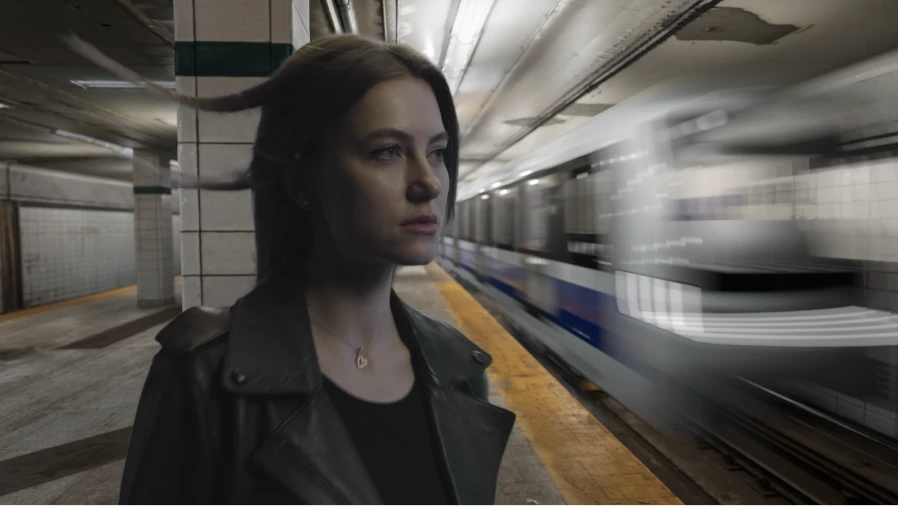
Unlike our fixed LED Volume, the SP Chroma™ ICVFX kit is fully mobile: our certified crew delivers motion control, Unreal Engine environments and real-time keying to any chroma-ready stage in New York City. You get the creative confidence of a live composite — seen on set, not imagined — combined with the flexibility of traditional green screen production.
Eliminates travel and location costs.
Reduces need for large physical sets.
Easily integrates dynamic virtual environments.
Removes physical limits on creative visuals.
Enables real-time background changes on set reduces.
Reshoots and accelerates post workflow.
Ensures consistent visual branding across assets. Delivers repeatable looks from a controlled studio setup.
Creates polished, brand-integrated environments. Elevates professionalism of corporate video content
Full control over visuals for clear, focused messaging. Easily adapts content for different audiences or regions
Real-time background updates minimize reshoots. Accelerates production and post timelines
Quick background swaps reduce shoot days. Streamlined edits speed up post-production
Build expansive, immersive worlds digitally.
Enables cinematic scale without physical builds
Simplifies integration of CGI and VFX elements.
Boosts flexibility for complex post-production work.
Real-time compositing speeds up on-set workflow.
Retains full flexibility for changes in post

GS + Unreal: Clients and directors can see a live composite on monitors—making camera framing, lighting, and art direction decisions easier and faster.
Traditional GS: You’re shooting blind. Backgrounds are imagined or referenced in boards.

GS + Unreal: With a rough comp visible on set, you can spot issues early and fix them while talent and crew are still there.
Traditional GS: Problems are often discovered in post, leading to unexpected delays or costly pickups.

GS + Unreal: Actors can react to real-time backgrounds, timing, and camera moves, improving realism and engagement.
Traditional GS: Performances often feel disconnected or stilted, especially for less experienced talent.

GS + Unreal: Stakeholders can visualize the creative direction during the shoot, reducing uncertainty.
Traditional GS: Clients often need to “trust the process” without seeing anything close to final until weeks later.

GS + Unreal: Art, camera, and post can align in real-time to fine-tune the composite, rather than working in isolated silos.
Traditional GS: Post-production inherits the guesswork— sometimes with misaligned lighting, blocking, or camera angles.